We use cookies for personalizing content and ads and providing social media features. Your usage information on our website will be used for social media, advertising, and traffic analytics, or shared with our partners. Clicking "Accept" means you agree to use our cookies .
Disk Cleanup is a very popular and useful tool which can be used to delete unnecessary junk files from your disks and free up more space for your hard drive so that your operating system can maintain a clean, smooth and stable condition. However, Disk Cleanup can sometimes become unresponsive, frozen or even doesn't work correctly. What to do if Windows 10 Disk Cleanup not working properly? Now follow the below 4 ways to learn How to Fix Disk Cleanup Not Working in Windows 10.
Why Disk Cleanup not opening or working in my Windows 10? Why Disk Cleanup not deleting temporary file? Here can you learn the main reasons:
You lack the admin right to open it.
There are corrupted temporary files or system files.
The files are in use by system process.
Way 1: Open Disk Cleanup as Administrator
Running Disk Cleanup with elevated privileges can help it access protected system files. You can type Disk Cleanup in the Start menu. Then choose Disk Cleanup from the result and select to run as administrator. Generally, this will solve Disk Cleanup not opening issue.
Way 2: Run the Windows Update Troubleshooter
If Disk Cleanup in Windows 10 not working, you can launch the Windows Update troubleshooter to troubleshoot the issue. In that way, you should:
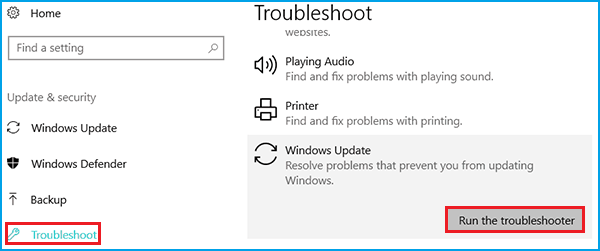
Step 1: Go to Settings in your computer and select Update & Security.
Step 2: Select Troubleshoot on the left panel and find Windows Update option on the right panel. Then click the button of Run the troubleshooter to start the troubleshooting process.
Step 3: Restart your computer and run Disk Cleanup again to see if that helps.
Way 3: Run an SFC (System File Checker) Scan
You can perform the SFC scan to check whether there are the corrupted system files.
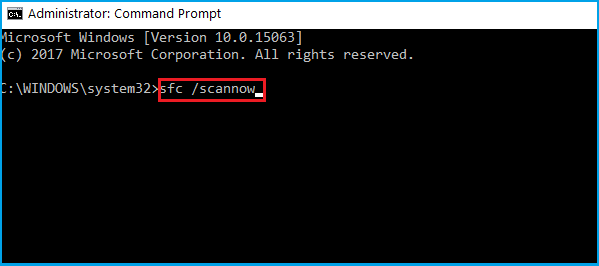
Step 1: Press the Windows key and the X key on the keyboard simultaneously and then select Command Prompt (Admin) from the pop-up menu.
Step 2: Run the command of sfc /scannow in the command prompt and then follow the instructions that appear on the screen to finish the scan.
Step 3: Reboot the computer after the process is finished and then try Disk Cleanup Again.
Way 4: Delete Temporary Files Manually in Windows 10
A corrupted temporary file on the computer may cause the problem of Disk Cleanup not opening or not working properly in Windows 10. In that case, you can try to delete temporary files manually to check if that helps to fix the problem.
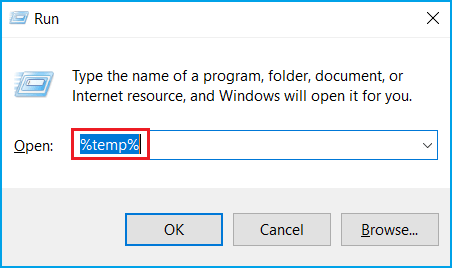
Step 1: Open the Run dialog box by using the Windows key + R shortcut key, type %temp% in the blank bar, and then hit the button of Enter to continue. Then you will come to the Temp folder.
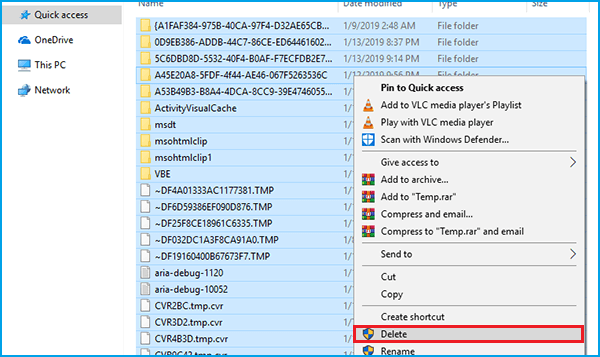
Step 2: Select all the temporary files in the Temp folder, right click them and then select the Delete option in order to delete all these files.
Step 3: Run Disk Cleanup once more time to see if it works.
Tips--The Best Alternative Tool to Disk Cleanup
If you have tried the above several ways to fix the Disk Cleanup not working problem but the result is still turned to be in vain, why not use an alternative to help you clean and optimize your computer? To do this, iSunshare System Genius is highly recommended to you. You can use it to clean up junk files and free up more disk space for your computer. With this professional third party tool, you won't have the need to worry about the issue of Disk Cleanup not working any more.
Step 1: Download and install the software of iSunshare System Genius on your computer.
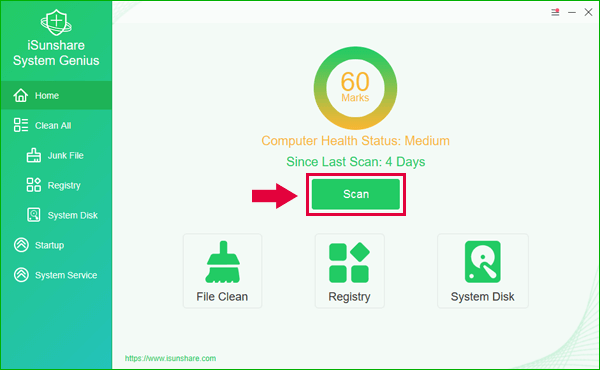
Step 2: Launch it and click the button of Scan to do an overall scanning of junk files and invalid registries for your computer. It won't take a long time to finish this step.
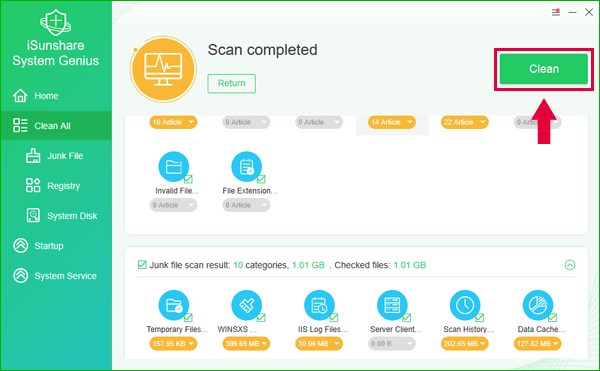
Step 3: After the scanning process is completed, hit the Clean button to clear all the scanned results in order to optimize your operating system.
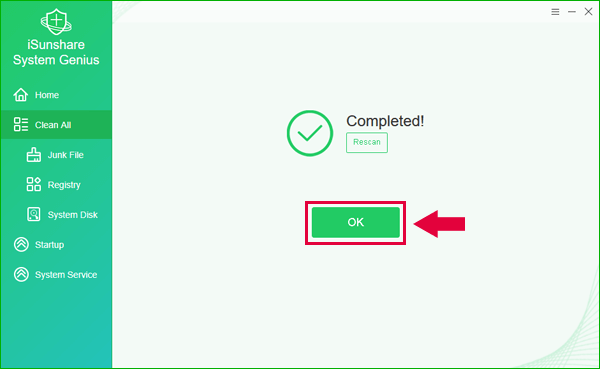
Then tap the OK button to exit when the cleanup is completed. Then you can close the software.
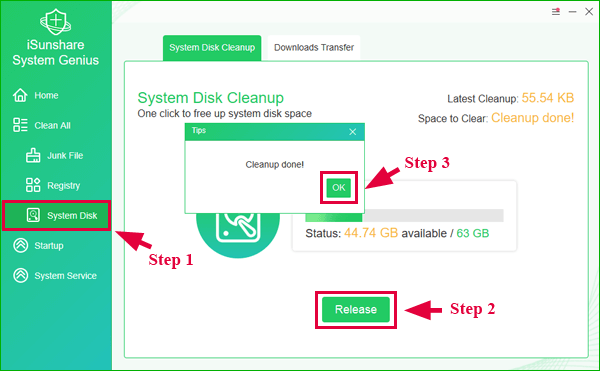
Why do we call iSunshare System Genius a good alternative tool to Disk Cleanup? Apart from the function of junk files & invalid registries cleanup, iSunshare System Genius also supports one click to free up system disk space. You can control the "Release" button provided for you on the software interface to clean up your system disk (C drive) easily. So the next time when Disk Cleanup is not working in your Windows 10 computer, you can also use this function to do a system disk cleanup and free up more space.
Conclusions
If Disk Cleanup isn't working in Windows 10, don't worry—you have multiple options to fix it. Whether by running it as an administrator, using SFC command, or switching to manual cleanup, you can still clean up your system safely and efficiently.