We use cookies for personalizing content and ads and providing social media features. Your usage information on our website will be used for social media, advertising, and traffic analytics, or shared with our partners. Clicking "Accept" means you agree to use our cookies .
Windows 10 will run slow when you open it for a long time. No matter what application will crash under such case. You will find that CPU usage 100 percent Windows 10 if you open the Task Manager. Therefore we found some solutions to reduce CPU usage in the following tutorial.
Way 1: Reduce usage Windows 10 by optimizing computer's drives
If you hardly optimize your computer's drives, there will be cash take up disk space. To reduce usage Windows 10, do the steps below.
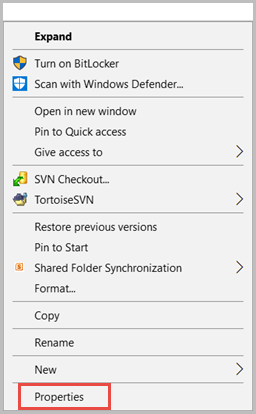
Step 1: Press Windows + E key to open File Explorer. Right-click on Disk C and select Properties.
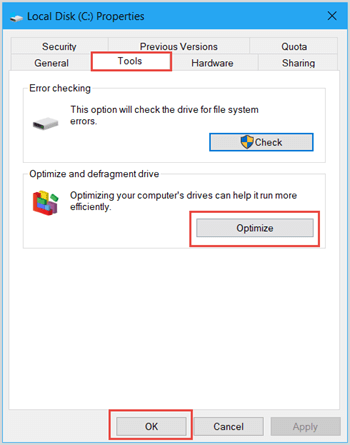
Step 2: Switch to Tools tab, click on Optimize.
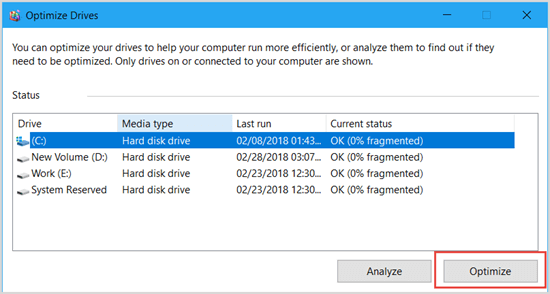
Step 3: In the Optimize Drives window, select a drive and click on Optimize.
Way 2: Fix Windows 10 CPU usage by Registry
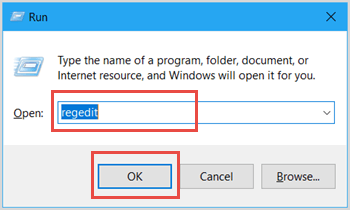
Step 1: Hit Windows + R combination to invoke Run dialog.
Step 2: Input "regedit" then press Enter.
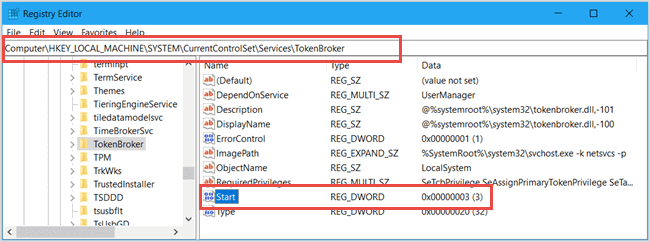
Step 3: In the Registry Editor window, expand the following keys: HKEY_LOCAL_MACHINE\SYSTEM\CurrentControlSet\Services\TimeBroker
Step 4: Click on TimeBroker then find Start option in the left pane.
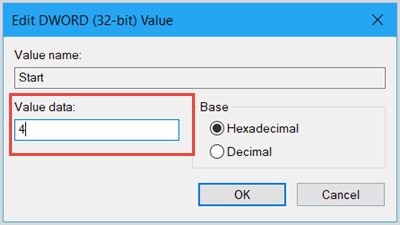
Step 5: Double-click on it and change the value data to 4. Restart your computer to save changes.
Way 3: Disable Cortana when high CPU utilization
Step 1: Click on Windows + R then type gpedit.msc in the box.
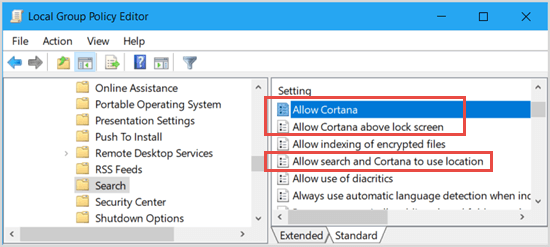
Step 2: Locate to Computer ConfigurationAdministrative TemplatesWindows Components Search.
Step 3: Go to the right panel, find out the following items.
Allow Cortana
Allow Cortana above lock screen
Allow search and Cortana to use location
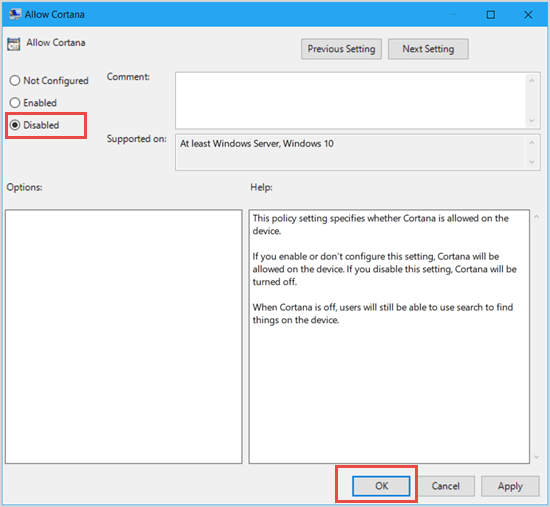
Step 4: Double-click on them and select Disable in the popup window. Tap on Apply then OK to make changes affect.
Way 4: Reduce CPU usage 100 percent through Services
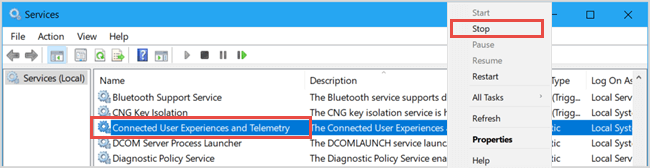
Step 1: Press Windows + R and type "services.msc" to run Services.
Step 2: Locate to Connected User Experiences and Telemetry option, right-click and Stop it.
You can also find and disable SysMain (formerly Superfetch), and Windows Search service which is linked to high CPU. These services can misbehave under certain configurations and spike CPU usage.
Way 5: Turn off notification to repair CPU usage 100 percent Windows 10
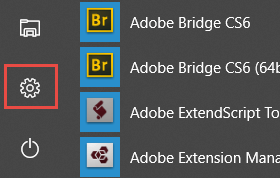
Step 1: Click on Windows icon then click on Settings.
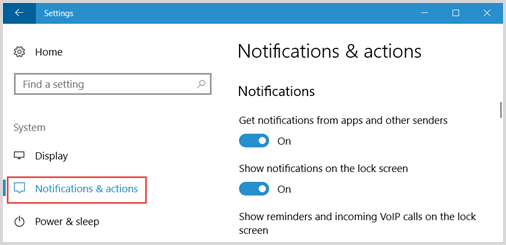
Step 2: Click on Notifications & Actions tab, choose what you need to close.
FAQs on 100% CPU Uage Fix
Q1. Why is "System interrupts" showing high CPU?
System Interrupts indicate hardware or driver issues. Update drivers or check hardware components.
Q2. Will malware removal always fix CPU issues?
If malware is the culprit, yes. But high CPU can also be due to system corruption, so run scans and repairs.
Q3. Why is my CPU at 100 when nothing is running Windows 10?
There must be something wrong in your disk. You can run command prompt as administrator and run sfc /scannow command line to have a check. If possible, back up all the disk data and replace the disk with another.