We use cookies for personalizing content and ads and providing social media features. Your usage information on our website will be used for social media, advertising, and traffic analytics, or shared with our partners. Clicking "Accept" means you agree to use our cookies .
Generally speaking, the display on Windows 10 computer will automatically turn off when the screen is left idle for ten minutes. If it is longer or shorter than your expected time limit, you can go to choose when to turn off display, referring to the two methods below.
What Does Turn off the Display Mean
In Windows 10, "Turn off display" (also called screen timeout) means:
Your monitor or laptop screen turns off automatically after a set period of inactivity.
The computer itself is still running—programs, downloads, and background tasks continue.
Only the screen's backlight/display power is cut off, saving energy and extending battery life.
It's different from Sleep Mode:
Turn off display: just the screen goes dark.
Sleep Mode: both the display and most system operations pause to save more power.
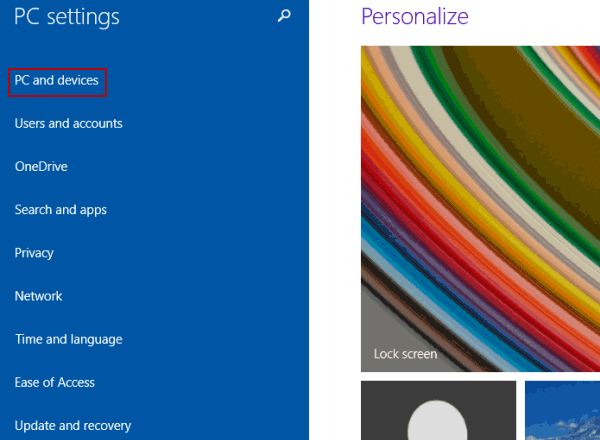
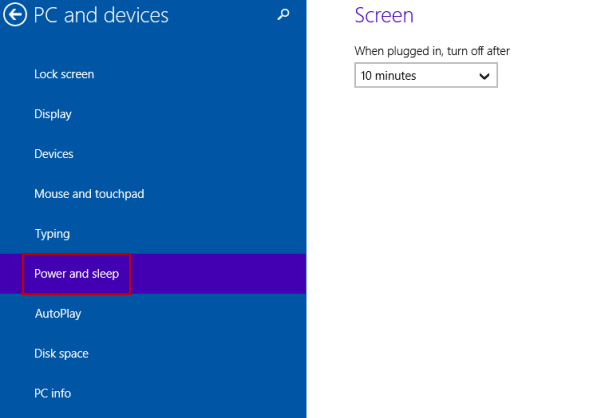
Way 1: Choose When to Turn off Display in PC Settings.
This is the most user-friendly method—ideal for quickly adjusting both battery and plugged-in modes.
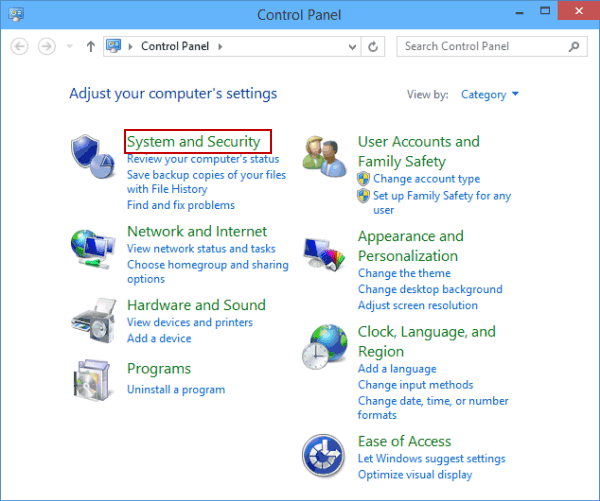
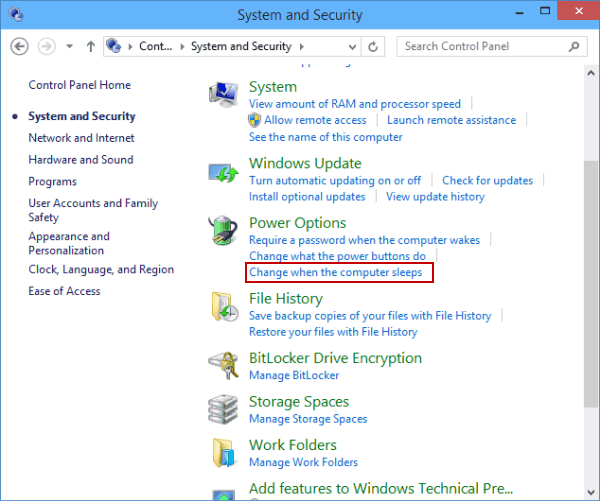
Step 3: Tap Change when the computer sleeps under Power Options.
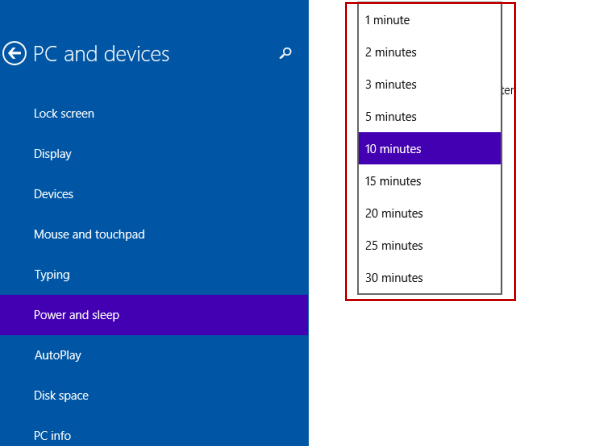
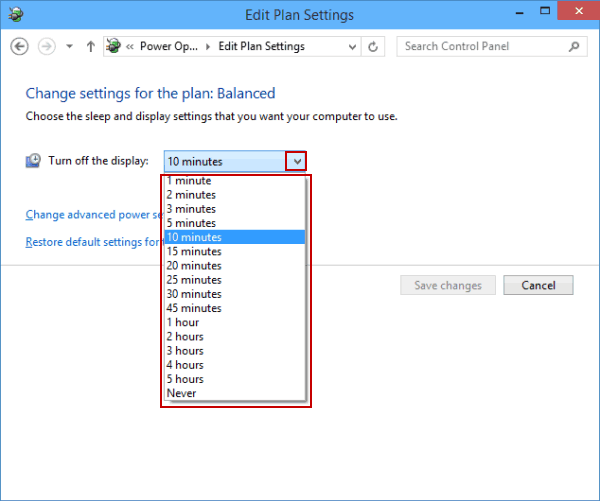
Step 4: Click the down arrow and select time from the list.
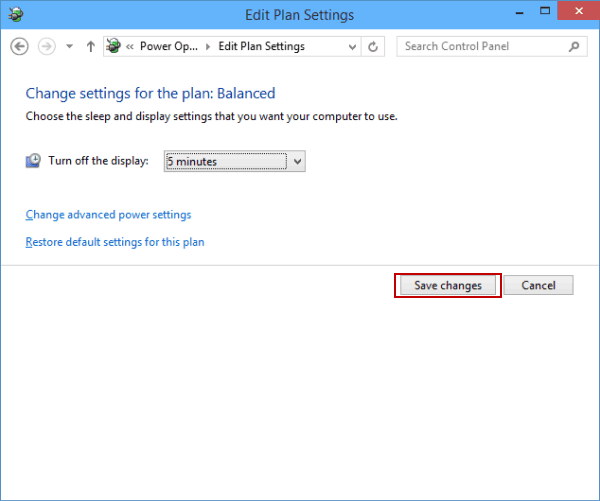
Step 5: Click Save changes to make the setting effective.
Tips: How to Keep Your Screen from Turning off Windows 10
If you want to keep your screen from turning off on Windows 10, no matter which way you use to change the turn off the displays settings, you can change the display to Never. In this way, all the drivers had been updated and Adaptive brightness had already been turned to off. You can keep the screen on all the time. But we do not recommend you to do such settings.